
Skin lesion removal
Cryotherapy
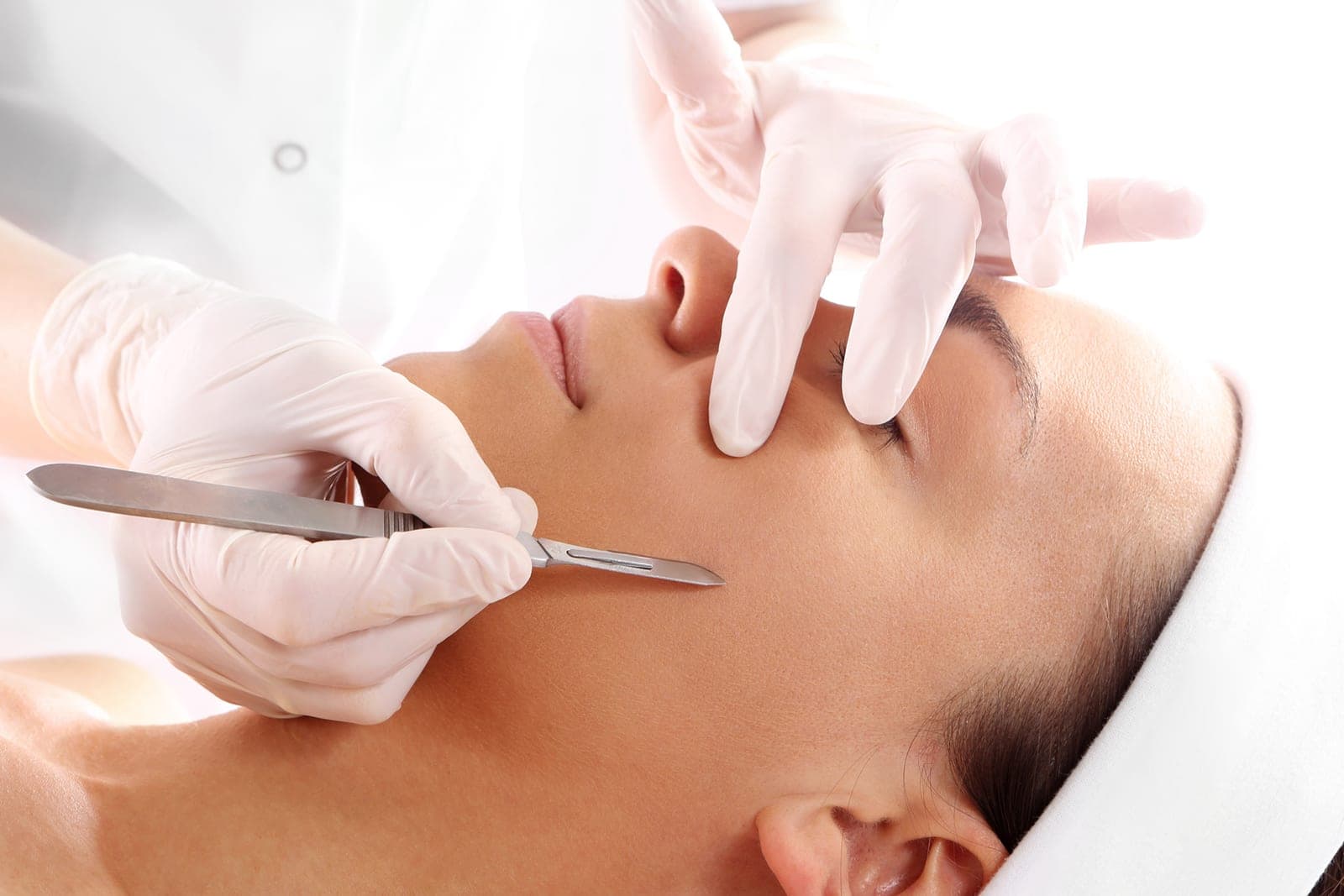
A precise, consultation-led treatment that uses controlled extreme cold to remove benign skin lesions — skin tags, warts, verrucas, age spots and similar. Every lesion is assessed first, and we’ll only proceed once we’re confident it’s appropriate. Individual results vary.
- Skin tags
- Warts and verrucas
- Age spots and pigmented marks
- Other benign skin lesions

What it is
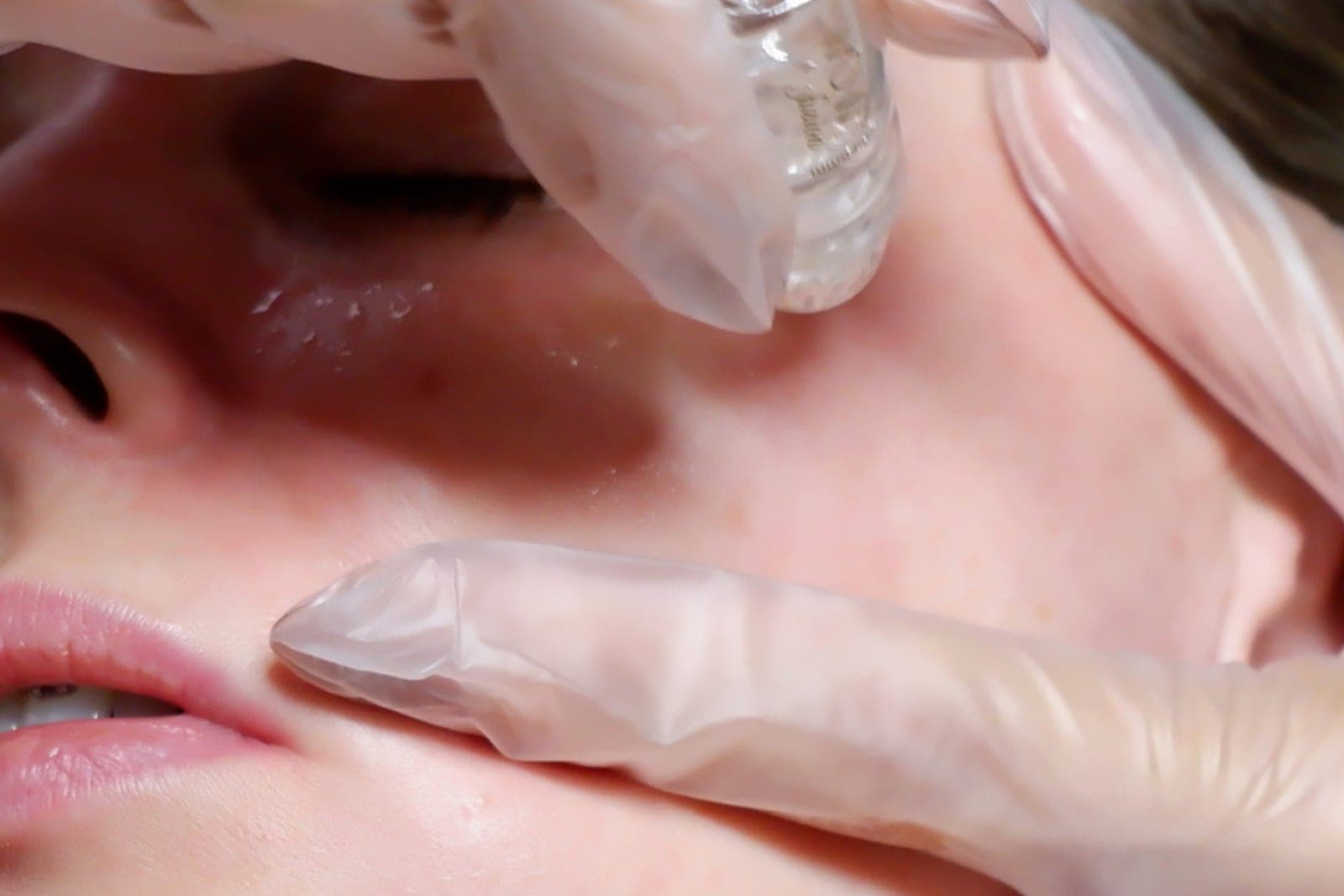
Cryotherapy uses extreme cold, delivered by a precision applicator, to destroy unwanted benign tissue while sparing the skin around it. Most common benign lesions can be treated this way. Treatment always begins with an assessment, because not everything that looks like a simple lesion is one — if there’s any doubt, we’ll advise you to see your GP first.
How it works
Rapidly cooling the tissue forms ice crystals inside the cells, which breaks down their structure so the lesion can clear. A typical freeze lasts only seconds — from around five seconds for a small flat lesion to about thirty for a larger one. Some stubborn or deeper lesions may need more than one session.
- Controlled, targeted cold — no cryogenic gases in contact with skin
- Each freeze usually takes only seconds
- Some lesions need repeat sessions
What to expect & aftercare
You may feel tingling as the area freezes, then a pinching sensation or dull ache as it thaws. The area turns white, then red, and can form a small blister and later a scab — keep it clean and dry and let it heal naturally over roughly one to six weeks. Afterwards the skin may look lighter than the surrounding area for a time. Be vigilant with sun protection before and after, using a physical (zinc) sunblock, as sun exposure raises the risk of colour change.
- Keep the area clean and dry; don’t pick or burst blisters
- Healing typically takes 1–6 weeks
- Strict sun protection with a physical SPF afterwards
- Contact us if you notice signs of infection
Good to know
Common questions
Does it hurt?
There may be some tingling as it freezes, and the extreme cold has a numbing effect. A pinching sensation can come as the area thaws. If needed, paracetamol or ibuprofen the next day is usually enough.
Will it scar?
Scarring is typically minimal because the treatment causes little damage to the connective tissue. The treated skin can look lighter for a while and usually re-pigments over time, though permanent colour change is a rare possibility.
How many sessions will I need?
Many lesions clear after one treatment. Deeper or more stubborn ones, or those in delicate areas, may need repeat sessions to remove them safely.
Are there any risks?
Short-term effects can include a blister, bruising, crusting and discomfort, and some people experience temporary lightening or darkening of the skin that usually resolves over a few months. Permanent colour change is uncommon but possible, and we’ll go through all of this with you beforehand.
Do I need a consultation first?
Yes. Every lesion is assessed before treatment, and we’ll only go ahead once we’re sure cryotherapy is suitable for you.
A conversation, not a commitment
Let’s start with a conversation.
Book a free, no-pressure consultation — or just message Lisa. No question is a silly one.
Beauty at Number 2
2 Margaret Road, Colchester, CO1 1RZ
Hello Dental
The Centre, The Crescent, Colchester Business Park, Colchester, CO4 9QQ
Recommend a friend and receive a £10 voucher towards your next treatment when they come in for a treatment. Not redeemable against prescription-only treatments.